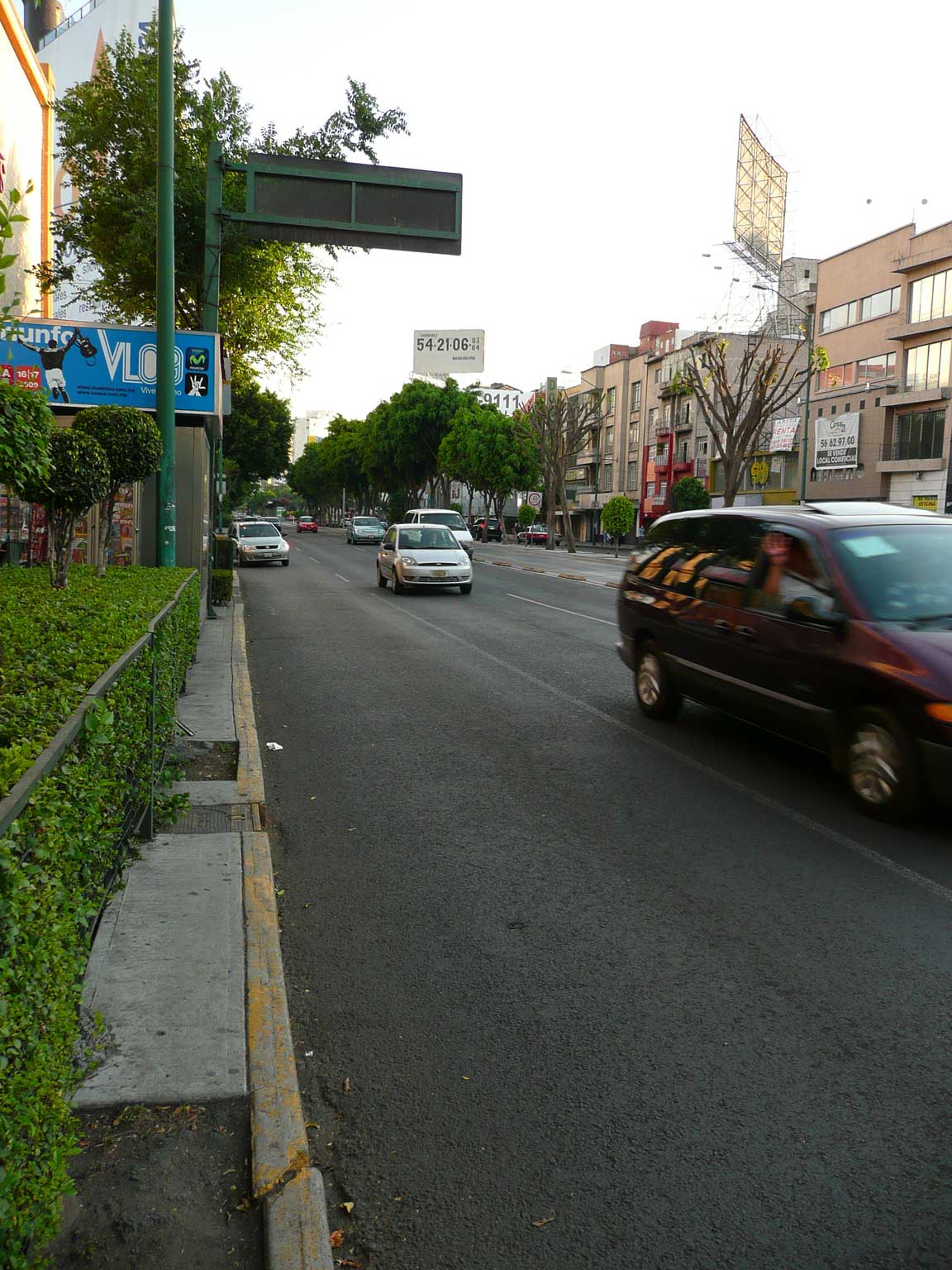
I won't give it a name, given how confused everything seems to be, because in my view the real problem is global overpopulation.
I feel the urge to share what I'm thinking with the people who visit our blog, because everyone is talking and talking and talking about why, how, what to do over the next few days, and so on.
The news programs are so sensationalist that I'd almost forgotten what that was like. The sheer volume of information, correct or otherwise, that gets dumped on a society like ours is astonishing.
What do I mean by "a society like ours"? I mean something a number of us have noticed. This is a country where people barely read, where there are shortages of every kind, but the most alarming shortage is people's lack of interest in finding answers, or at least in seeking out facts, rather than simply swallowing whatever the media and the church decide to filter through to them.
Here in La Condesa, things seemed to be taken with more discernment, until the days stretched on and the alarming headlines grew louder.
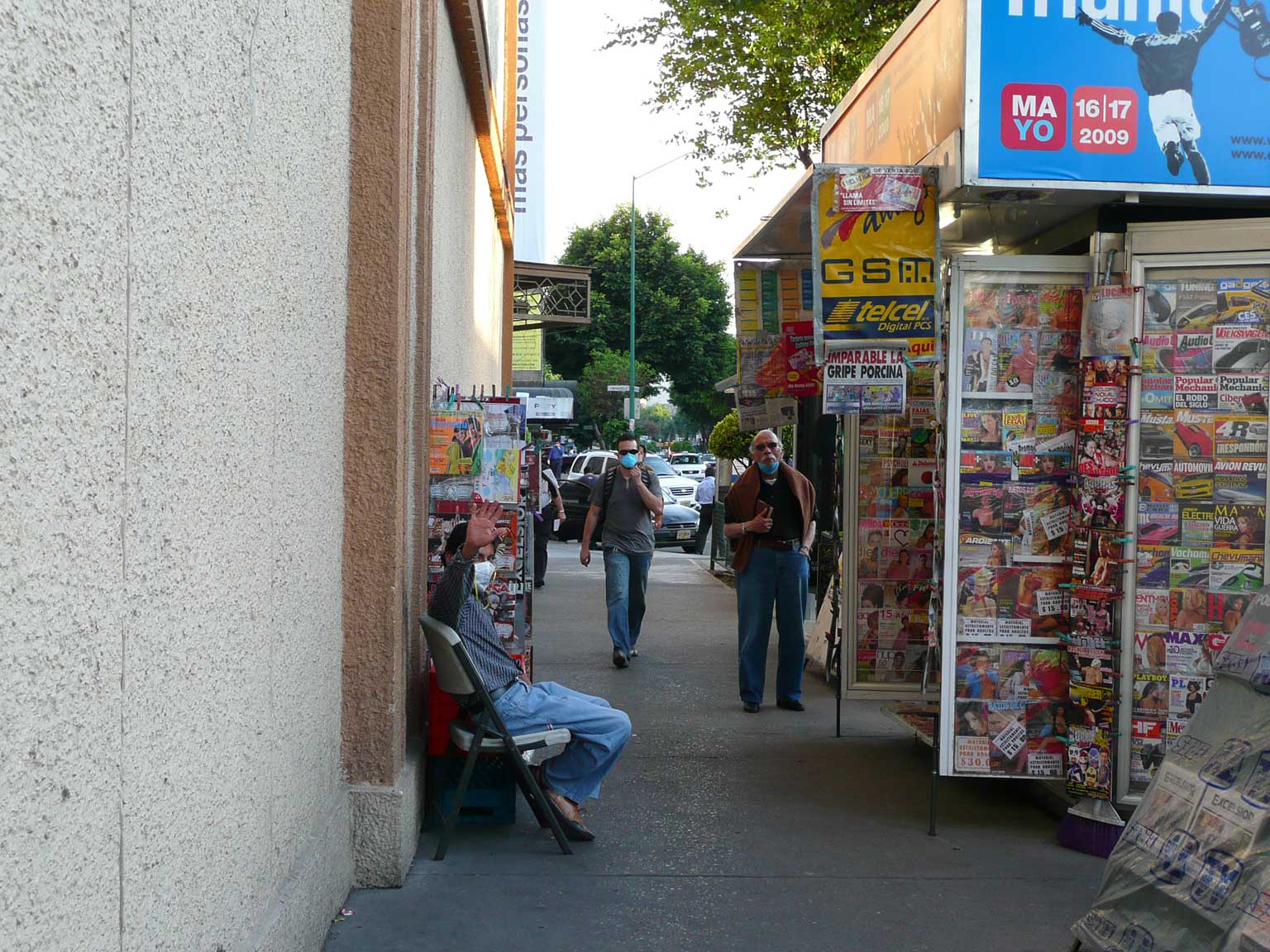
To my eye, the way the government has handled this doesn't seem entirely terrible, and while I'd rather not believe in the conspiracies our lame-duck president keeps invoking, some of the measures do strike me as extreme and poorly thought out.
What frightens me most, though, is how society reacts, because this is what a war might actually look like. Everyone protecting themselves, covering their mouths at all times and in every possible place, without stopping to think that there's now a shortage of masks for the people who are genuinely sick.
The wealthy, who by virtue of their privilege feel they live more safely, more protected, among their own kind, among "beautiful people" (as some call them), have retreated to their usual places, but they will not stop going to weddings, first communions, parties, or the opening of whatever event they had on their calendar this month.
Since they tend to be extremely social creatures with endless obligations, it simply doesn't occur to them that "beautiful people" could infect them with anything. They put on their masks in their cars, or when they step out of them, and that settles it.
Their children do the same with their little friends, because there's no getting around it.
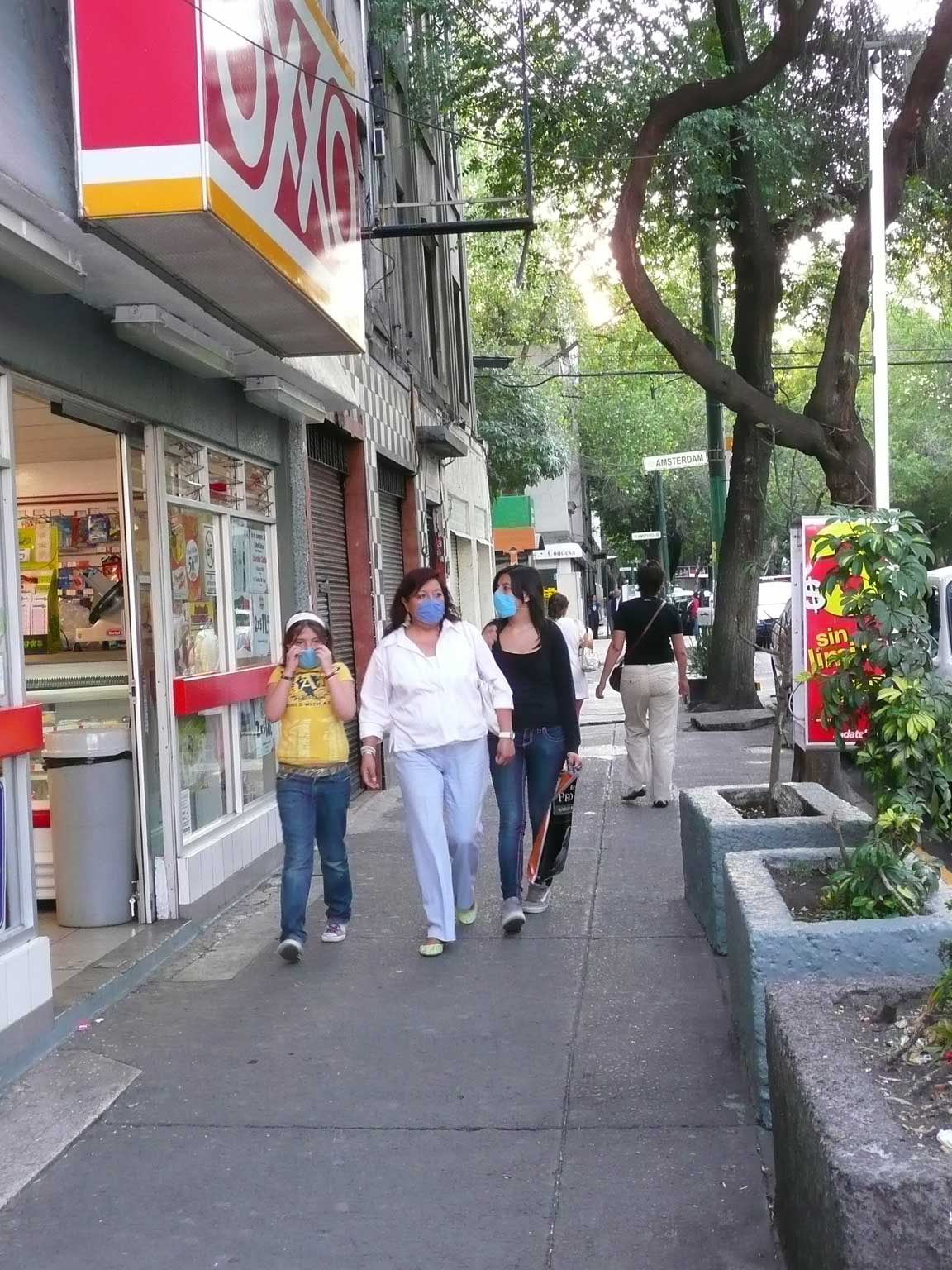
In that world, the only sources of information are television and radio (many people don't have access to a computer), so all they can do is follow whatever rules are imposed on them in exchange for being allowed to do their work.
Beyond that, many of them live hand to mouth, and even if some of what they do looks careless to us, it's survival, because they've been living this way for generations and know nothing else.
So when someone interviews a poor street vendor in Chapultepec, the epidemic is the least of his worries. What worries him is that the park will be closed for too many days and he won't sell his goods. Who will support him, or even think about him?
But just to make the social and economic chasm a little wider, those who have some money to spare and don't live hand to mouth rush to the supermarket and buy everything in sight, just in case.
Perhaps those with less would do the same out of imitation, but since they're paid weekly, daily, or twice a month, it simply isn't possible. After all that talking and talking on television and radio, couldn't they have warned people about this? No, because then there wouldn't be nearly as much morbid news to report.
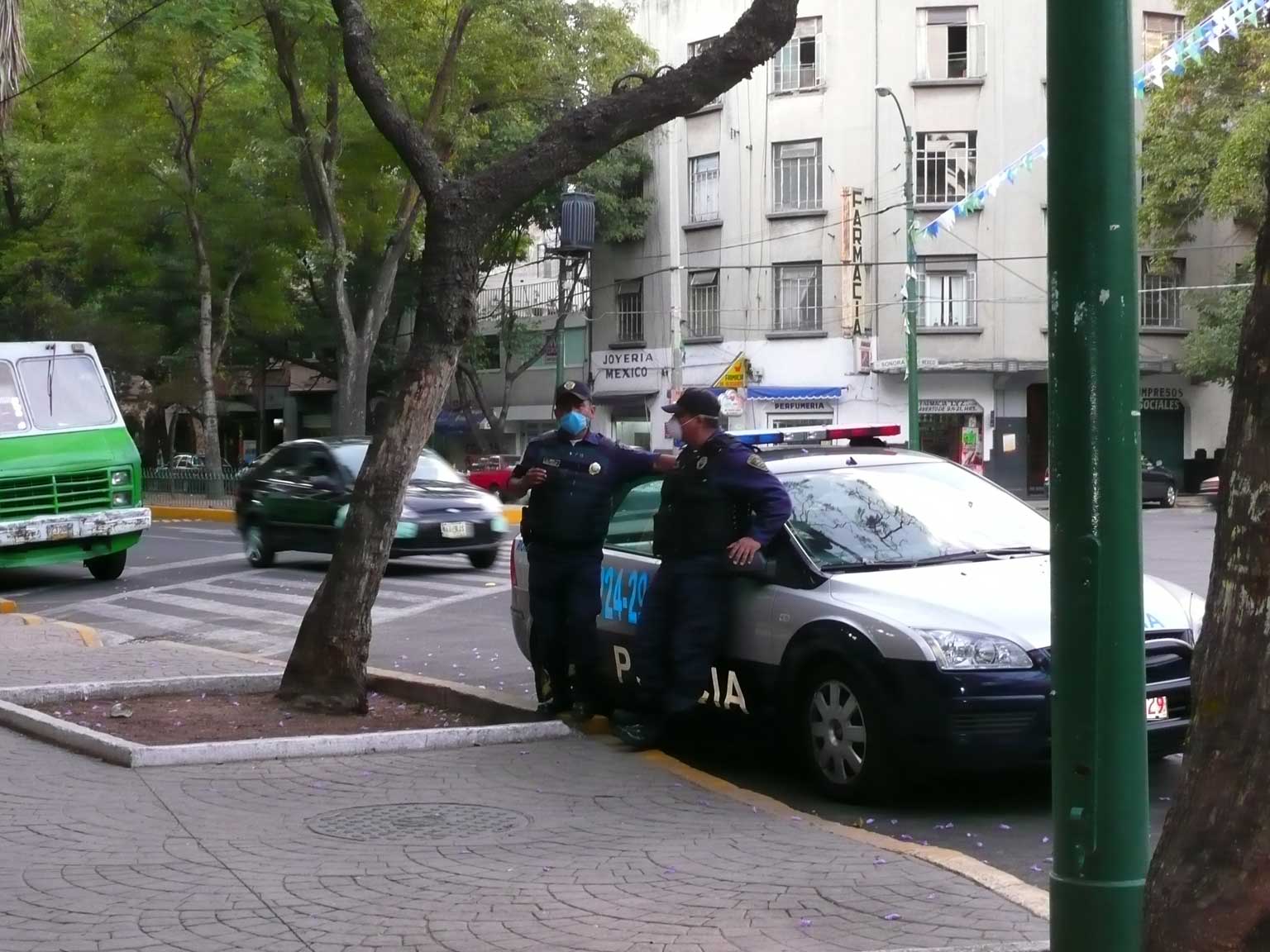
In the end, it's quite painful to see the incoherence with which the masses react, and the profit that gets extracted from all of it. Why don't we start exercising our thinking with a little more clarity?
Can't people see that the global problem, and especially the problem of poor countries like ours, is the sheer number of people there are, and that more keep being born?
In the seventies, it seems to me (without consulting any serious data), there were fewer than fifty million people in this country. Today we are almost one hundred and twenty million! How could the planet not start complaining?
And yet everyone has a reason to have children. Couples who both work all day, buried in social obligations, feel they must have children even if they can't properly look after them. Why not adopt instead, when there are so many orphans? They'd be doing something genuinely good. Like those who, simply unable to suppress the maternal instinct, have just one child, leaving room for the people who come after them to have some chance of reproducing.
But even so, friends with four, five, or more children bombard me with messages about saving water, not throwing away this or that, and so forth. Many of these are terrifying chain emails, full of fabrications about how nature will respond to one thing or another. Don't they feel at least a little sheepish, knowing that at barely thirty-five years old, some of them already have far too many children?
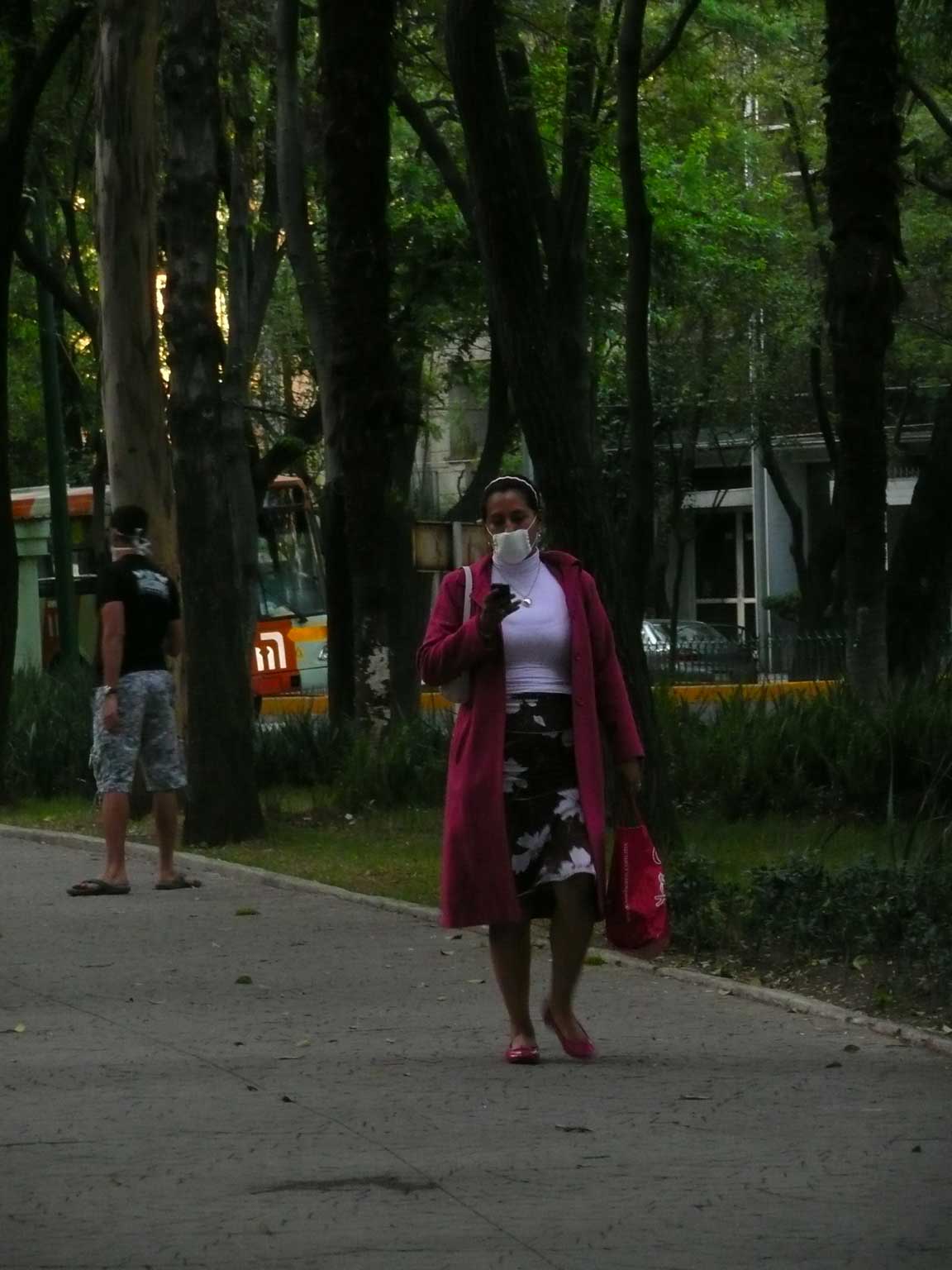
How deluded is everything that has been manufactured to keep us frightened and fantasizing about total security for ourselves and the people we love.
The philosopher Krishnamurti once said: "Fear, the longing for security, for protection, leads man to form political parties or religious groups with which he identifies himself... and so antagonisms grow and wars continue."
Sanuk
Comments (1)
Hola Estuve visitando su Blog y está excelente, super los felicito.
Me encantaría colaborar con uds, añadiendo su blog a mi directorio.
Si lo desean no duden en escribirme a jackelinesilvajauregui@hotmail.com Les deseo mucho éxito con su blog.
Un beso Jackie
New comments coming soon.