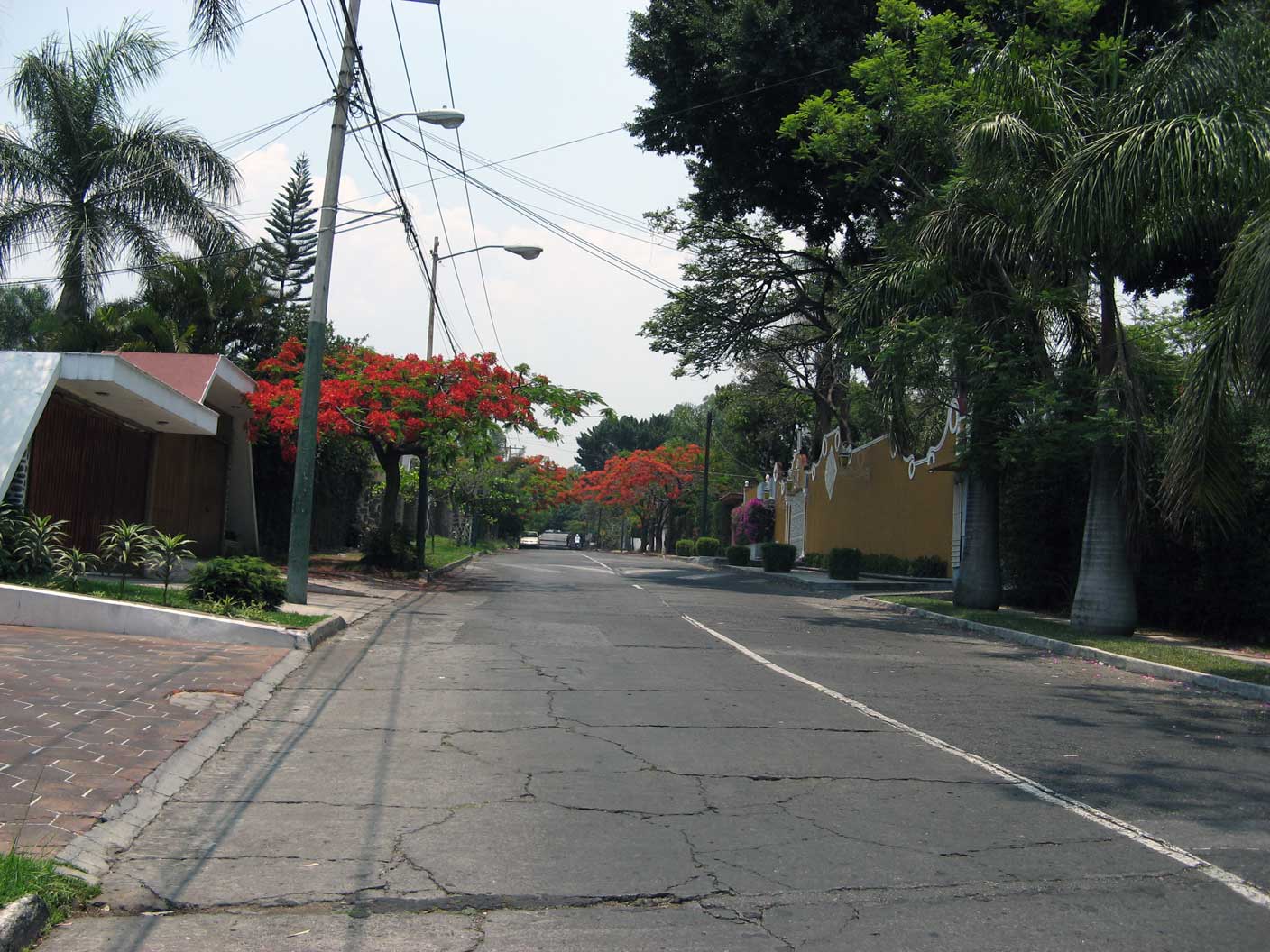
Here in Mexico, just about 70 kilometers south of the capital, lies a city called Cuernavaca (in the state of Morelos) that people know as the city of eternal spring. This reputation comes from its lovely climate, which all of us who have lived long enough in this world (specifically in Mexico) remember as being far better than it is now.
Though it may simply be a matter of perception, or the climate change everyone talks about so much these days.
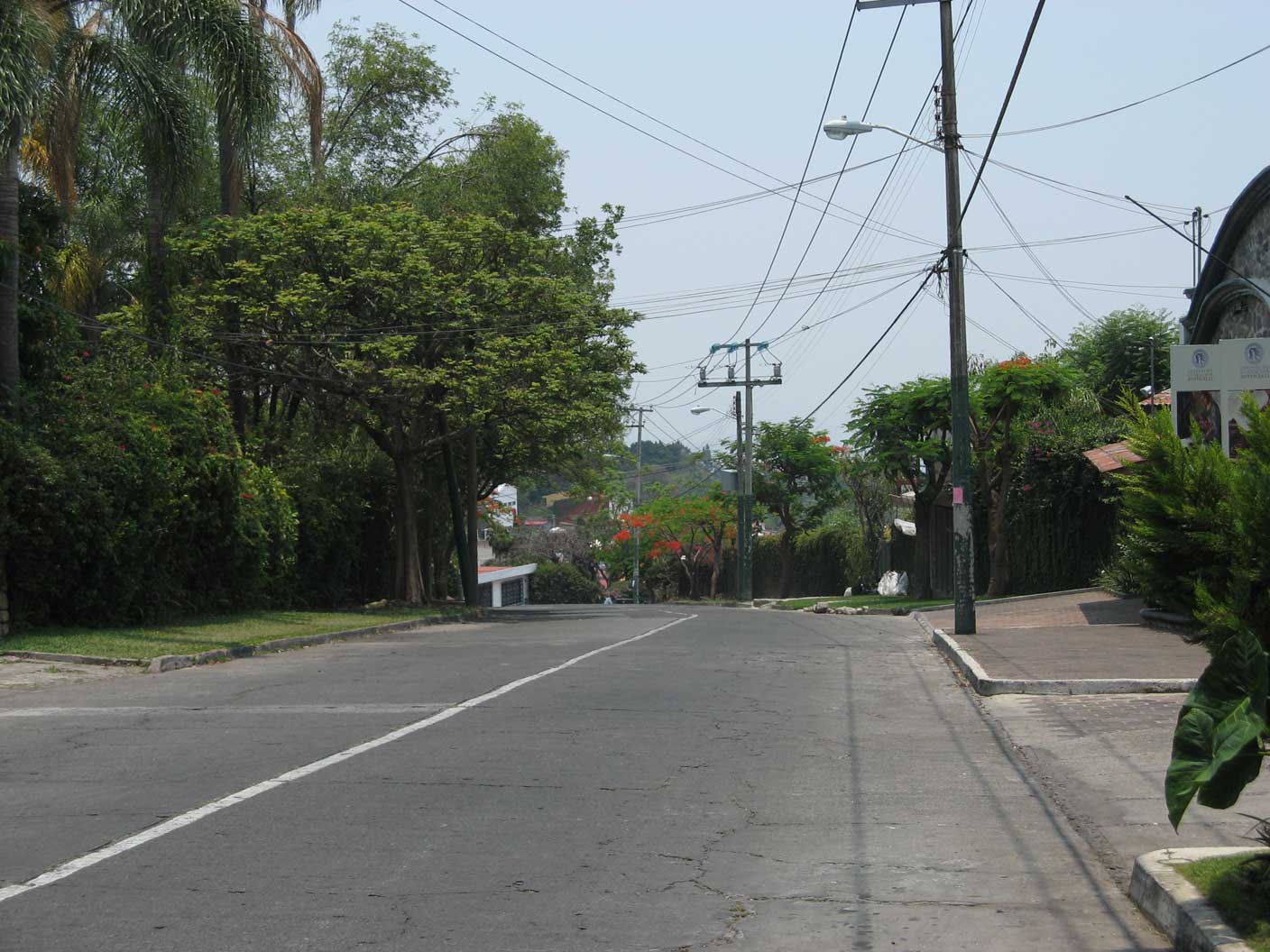
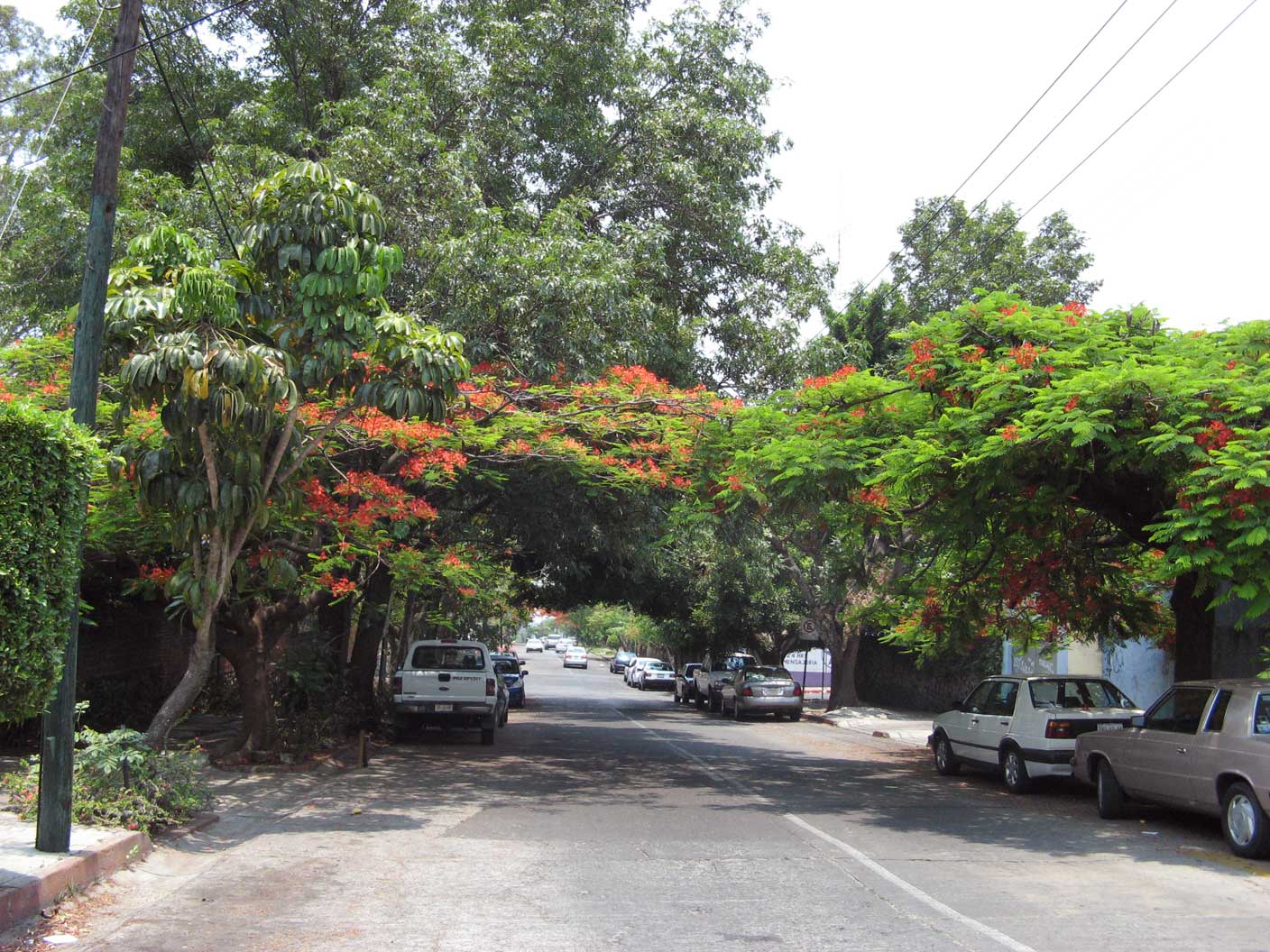
When I was a girl, Cuernavaca was a small city, very much in demand among people from the capital for its proximity and pleasant weather. The enormous houses that were built there, with their high walls mostly draped in bougainvillea, were what defined the place more than anything else.
Great celebrities have lived here, Europeans among them. Many artists who found their inspiration in this perpetually springlike city: Rufino Tamayo, Charles Mingus and Jill Evans (distinguished jazz musicians), Elena Garro (Mexican novelist and a founder of magical realism in literature), Manuel Puig (Argentine writer and author of "Kiss of the Spider Woman"), Maurice Ascalon (Israeli sculptor and designer), Tamara de Lempicka (Polish painter), Mario Moreno Cantinflas (the beloved Mexican actor and comedian), and several others. It was also home to Erich Fromm, the Shah of Iran, Barbara Hutton (granddaughter of Frank Woolworth), Dwight Morrow (father-in-law of Charles Lindbergh), and more.
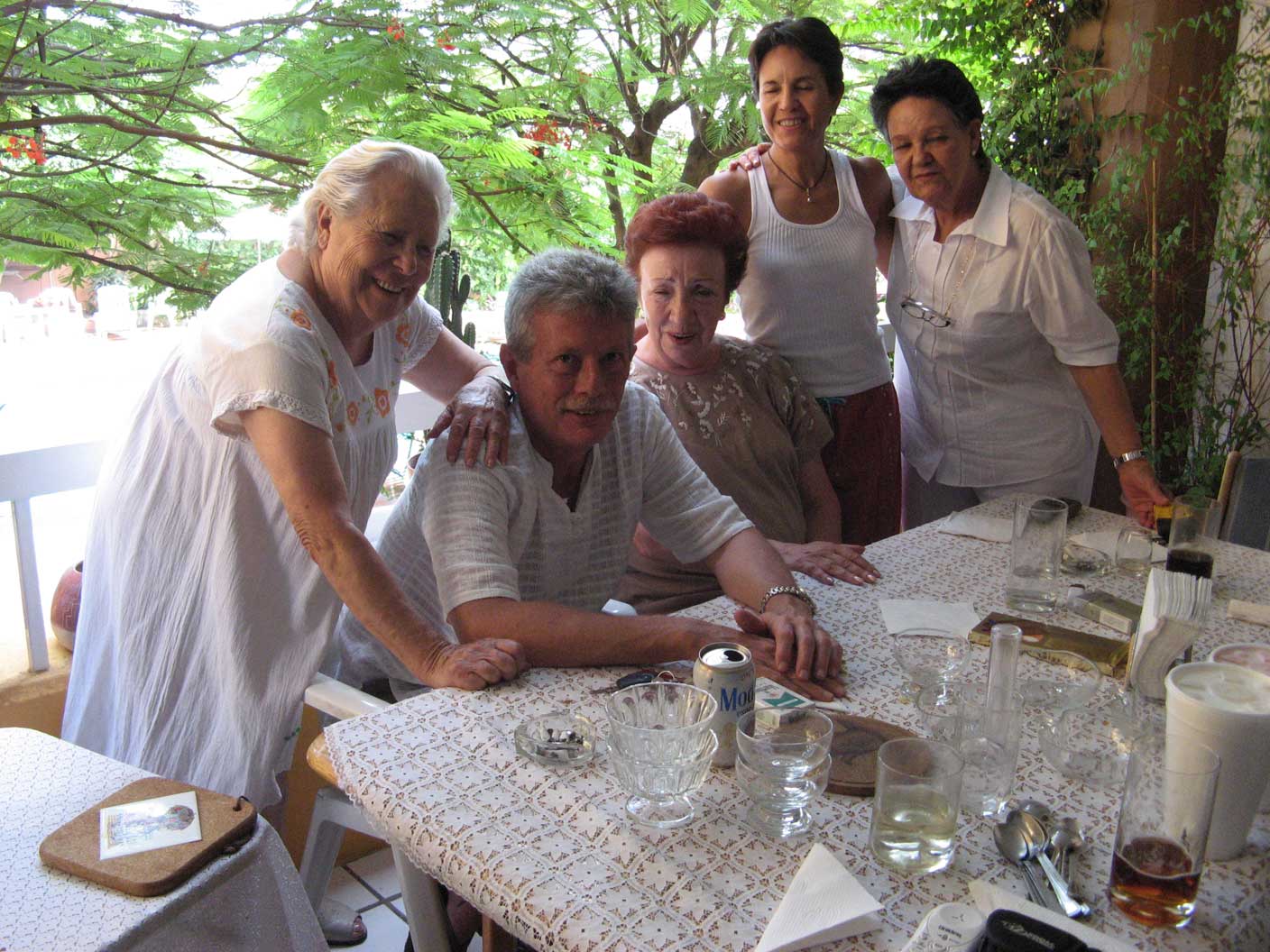
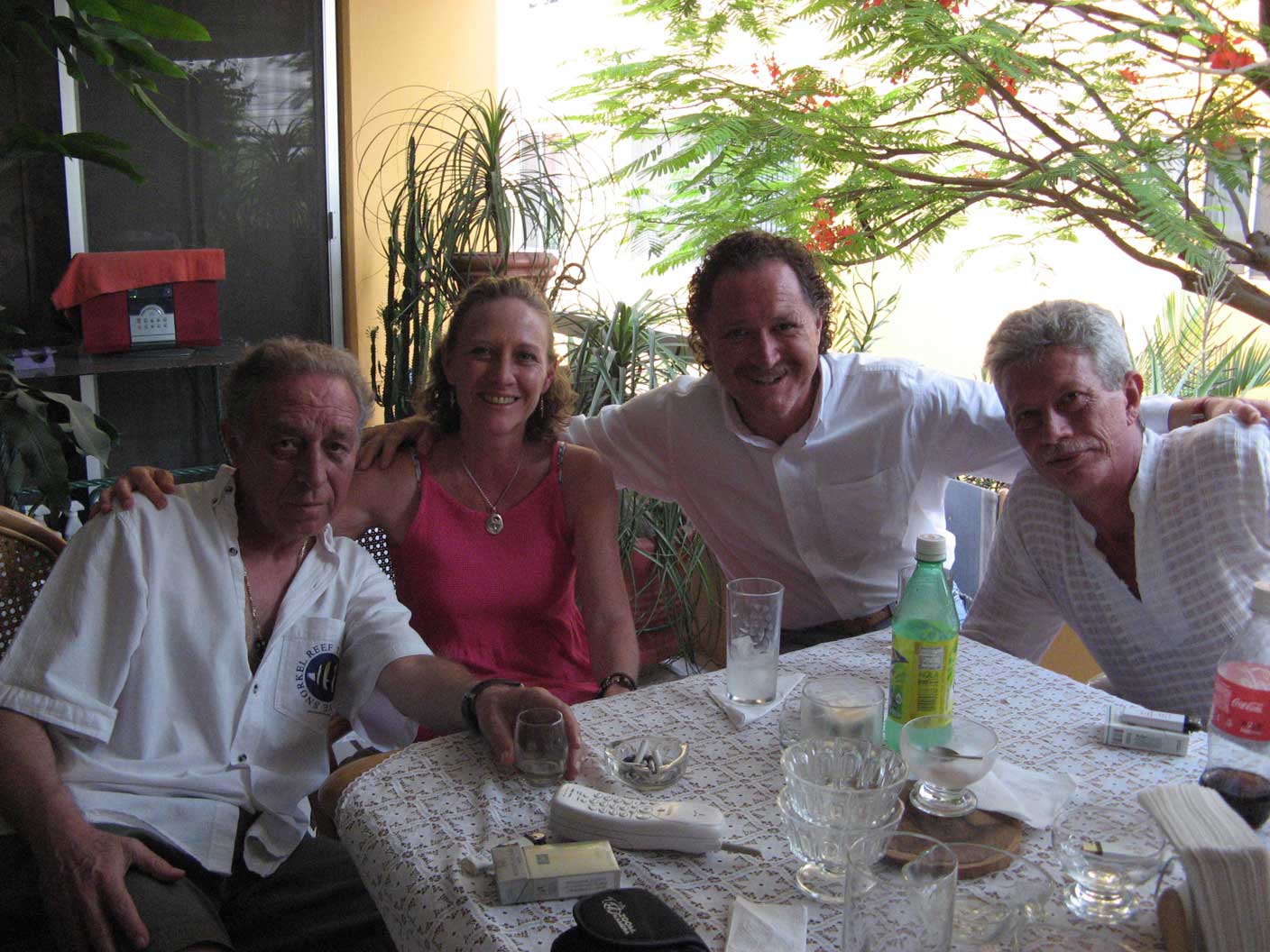
In the center of Cuernavaca, facing the zócalo (the main plaza), stands the famous Palacio de Cortés, today known as the Cuauhnahuac Museum. It is probably the oldest surviving civic building in the country, more than 450 years old.
Between 1747 and 1821, the palace served as a prison, and among those held there was José María Morelos y Pavón, one of the leading figures of Mexican independence.
It later became a seat of government and was fitted out, in 1864 and 1866, as an office for Archduke Maximilian of Habsburg, who is said to have had a mistress he visited often in Cuernavaca.
Maximilian of Habsburg and Carlota were emperor and empress of Mexico, installed by France during that particular chapter of history. Many stories of every imaginable kind circulate about this peculiar couple, who seemed to be genuinely in love, though as always, things are never just one color.
Now a museum, it's well worth visiting to enjoy its collection of objects and pieces relating mostly to the general history of the state of Morelos.
On the second floor there is a series of murals painted by Diego Rivera (the celebrated Mexican muralist and painter), who was married to the equally celebrated painter Frida Kahlo.
The Jardines Borda are also worth a visit, a summer retreat used by Carlota and Maximilian.
The gardens were built by the Spaniard José de la Borda in the eighteenth century. Today also a museum, you can wander through the grounds and spend time with photographs, dresses, books, and furniture from that era. Exhibitions by artists are held with some regularity, so there is almost always something on.
Surrounding the plaza-park you'll also find restaurants and cafés where you can sit down for a meal or just something to drink.
One thing I found remarkably similar to Thailand is a kind of traditional sweet from Cuernavaca that turns out to have a very close cousin in Thai confectionery.
They are tiny little fruit-shaped candies, very colorful, made here with milk. I never tried the Thai version because I don't have much of a sweet tooth, but I used to love the Mexican ones as a child. Then again, the Thai ones might not even be sweet!
I'm fairly certain they don't make them with milk in Thailand the way they do here, since people there consume very little dairy, apparently because lactose intolerance is widespread across much of Asia.
You can still find the occasional vendor in Cuernavaca and elsewhere around the country selling their wares in traditional indigenous dress.
It's more noticeable now than before (at least to us) how Mexican music follows you everywhere you go, especially in restaurants.
It seems as though, given the identity crisis my country has always suffered from, there is now a renewed imperative to feel proud of all our traditions. I'm not sure whether that's entirely good or bad, as long as it doesn't tip over into the extreme nationalism that is sweeping so many countries around the world in this century.
Sanuk
Comments (1)
Este comentario ha sido eliminado por un administrador del blog.
New comments coming soon.