As I mentioned in the post we published a few weeks ago, we are in México and will be spending several months here for a mix of business and visits with family and friends.
Here I share with you my first impressions upon returning after a year and a half in Asia. Over the months we'll be here, I'll try to tell you what my country is like in general, and above all about the human dimension of it, which is what matters most to me.
Landing at Mexico City's Benito Juárez International Airport, you no longer feel like you've arrived in some thoroughly third-world country. My first outings along Paseo de la Reforma (one of the city's main avenues),
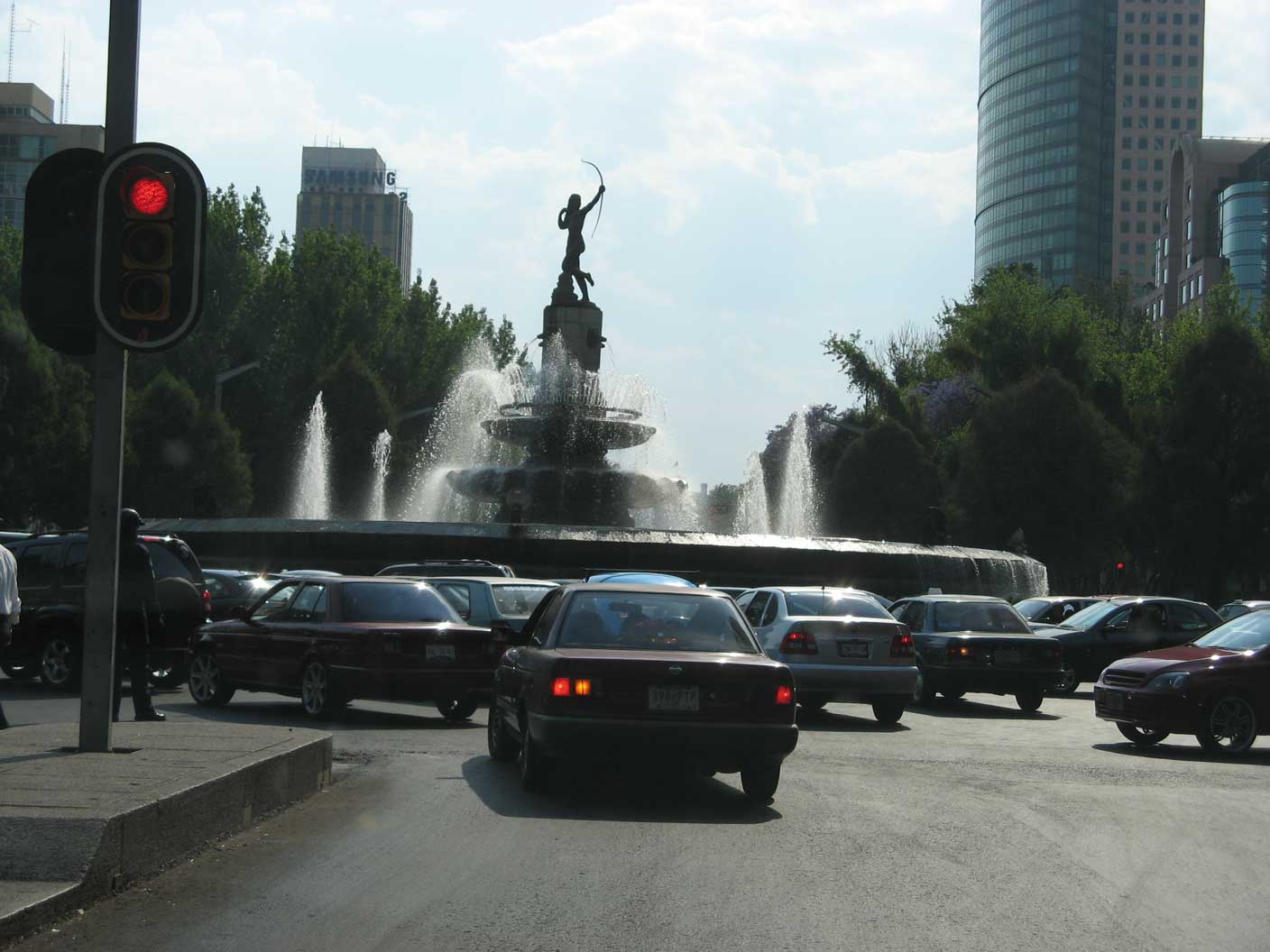
Someone once told me that you need a large vehicle to fit all your complexes inside, and they may have had a point. These cars are usually occupied by a single passenger, everyone visibly harried and stressed, hunting for shortcuts to reach their destinations. Getting around this chaotic, beautiful city always takes hours, which is perhaps why people buy vehicles that have become extensions of the home. Children can watch TV, do homework, eat, change their clothes, and take care of whatever else they need without stopping and squandering the precious little time that people in this city have, not to mention the risk of being robbed if you stop in the wrong place at the wrong hour. Some of the billboards scattered all over the city advertising the Hummer (the one the Americans put up for commercial sale during these years of war, a vehicle that looks like a tank) read: "MIRROR, MIRROR, WHO'S THE BIGGEST OF ALL?" and "BIG FACE BEATS PRETTY FACE." This vehicle succeeded in very few countries, though here I suspect another factor is the streets riddled with potholes, speed bumps, and craters.
Coming from Thailand, it feels as if time has stopped here, and so has traffic. I'm not exaggerating, believe me, it doesn't move sometimes for half an hour or more. And yet there's always talk of new projects to keep building: bridges, tunnels, other alternatives for individual circulation, but no additional public transit whatsoever. In my country, only people who cannot afford a car (more than it might appear) travel by public transport.
Any reasonably prosperous family today must have an SUV. Not satisfied with the obstacles already embedded in the pavement to prevent anyone from gliding along comfortably, the people whose apparent job it is to make everything as bad as possible add more speed bumps every day. There are even speed bumps on steep inclines, which makes me think drivers never touch the brakes. My city keeps growing in chaos, but the good news is that people complain less and less. Many claim they avoid going out, though the sheer number of cars on the street doesn't quite support that story. Respect for traffic signals, painted lane markings, and police officers remains what it has always been, which is to say: nonexistent. Though a law just passed stating that if you're not polite to a police officer, you can be arrested.
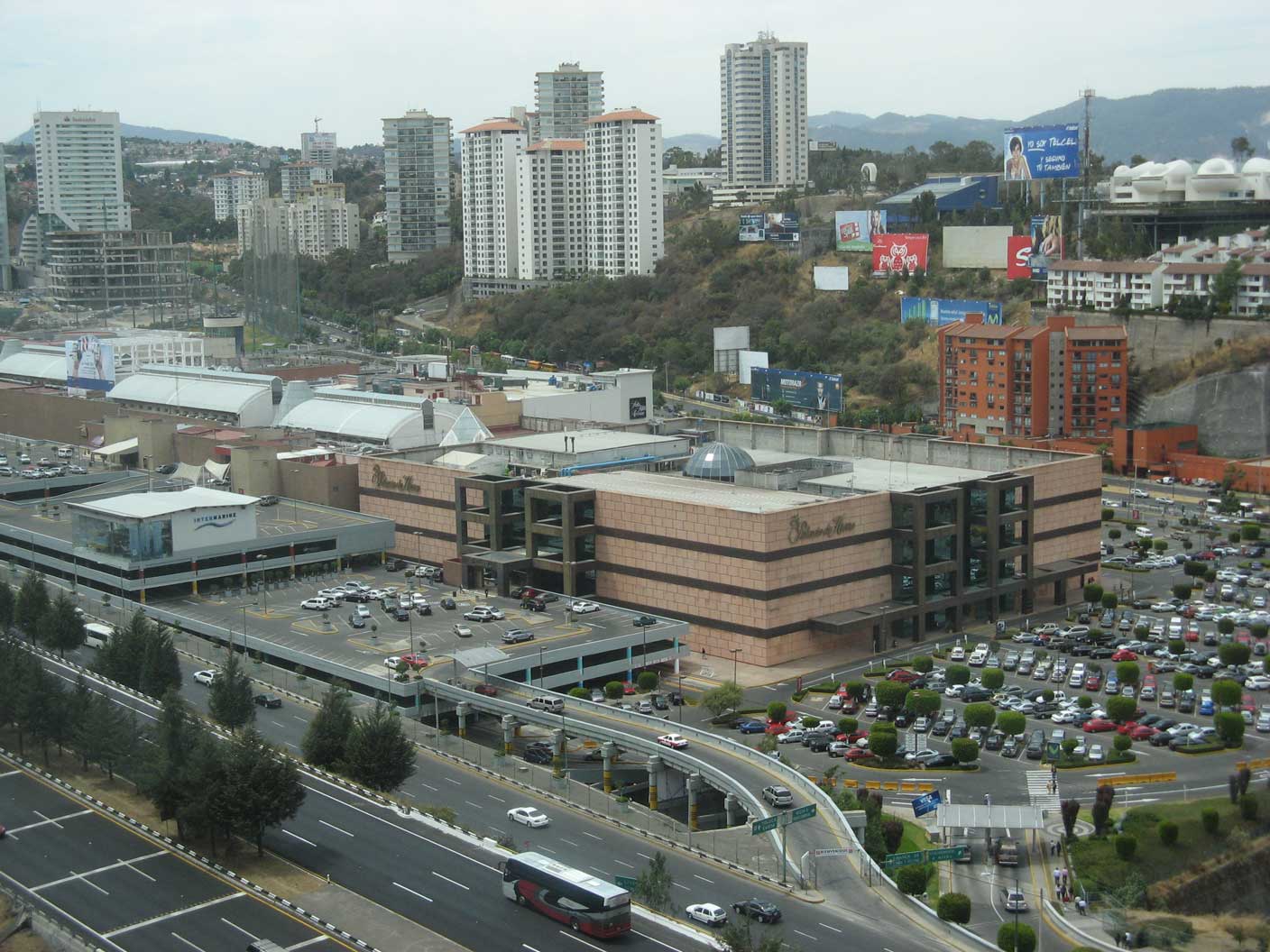
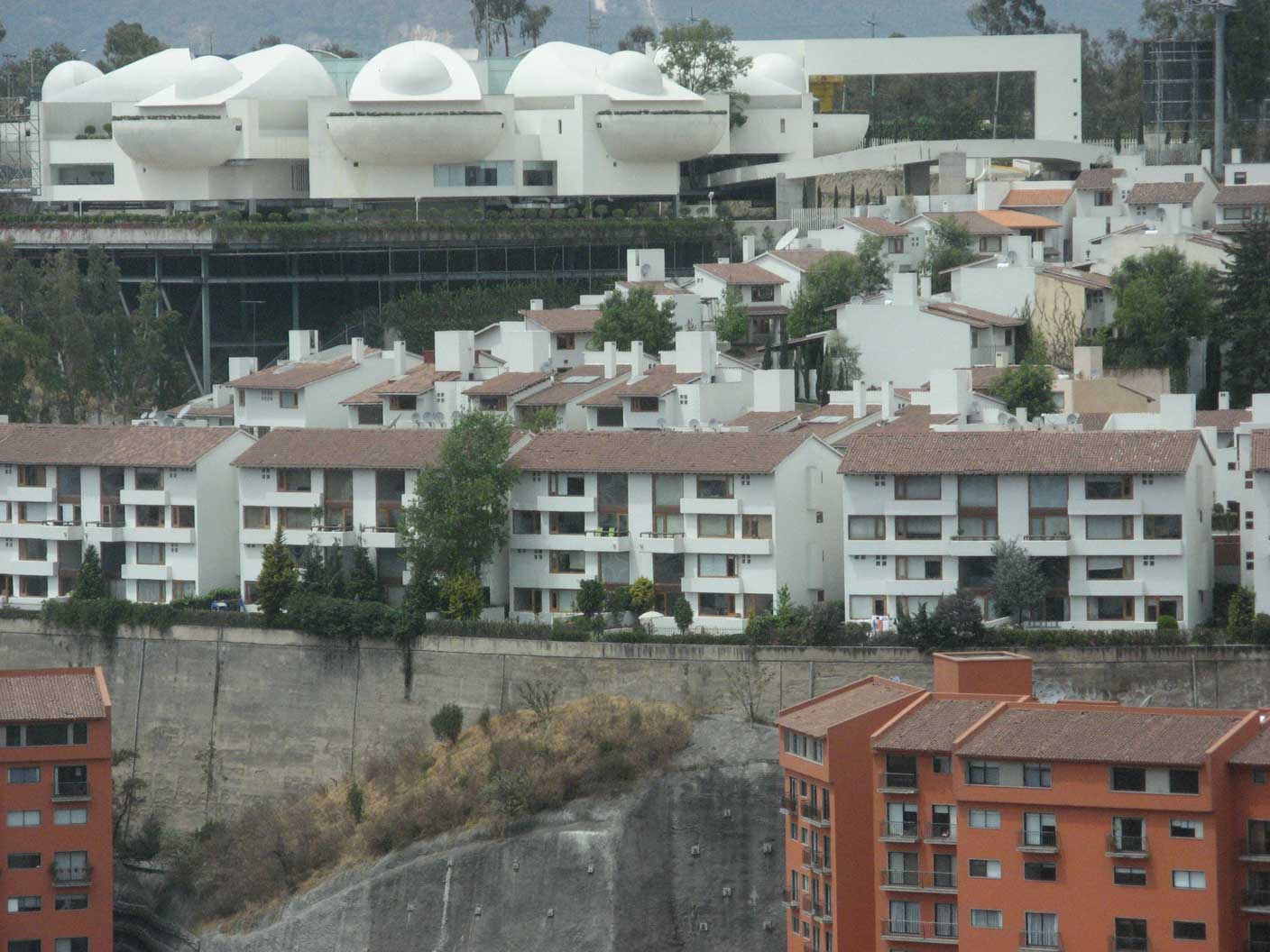
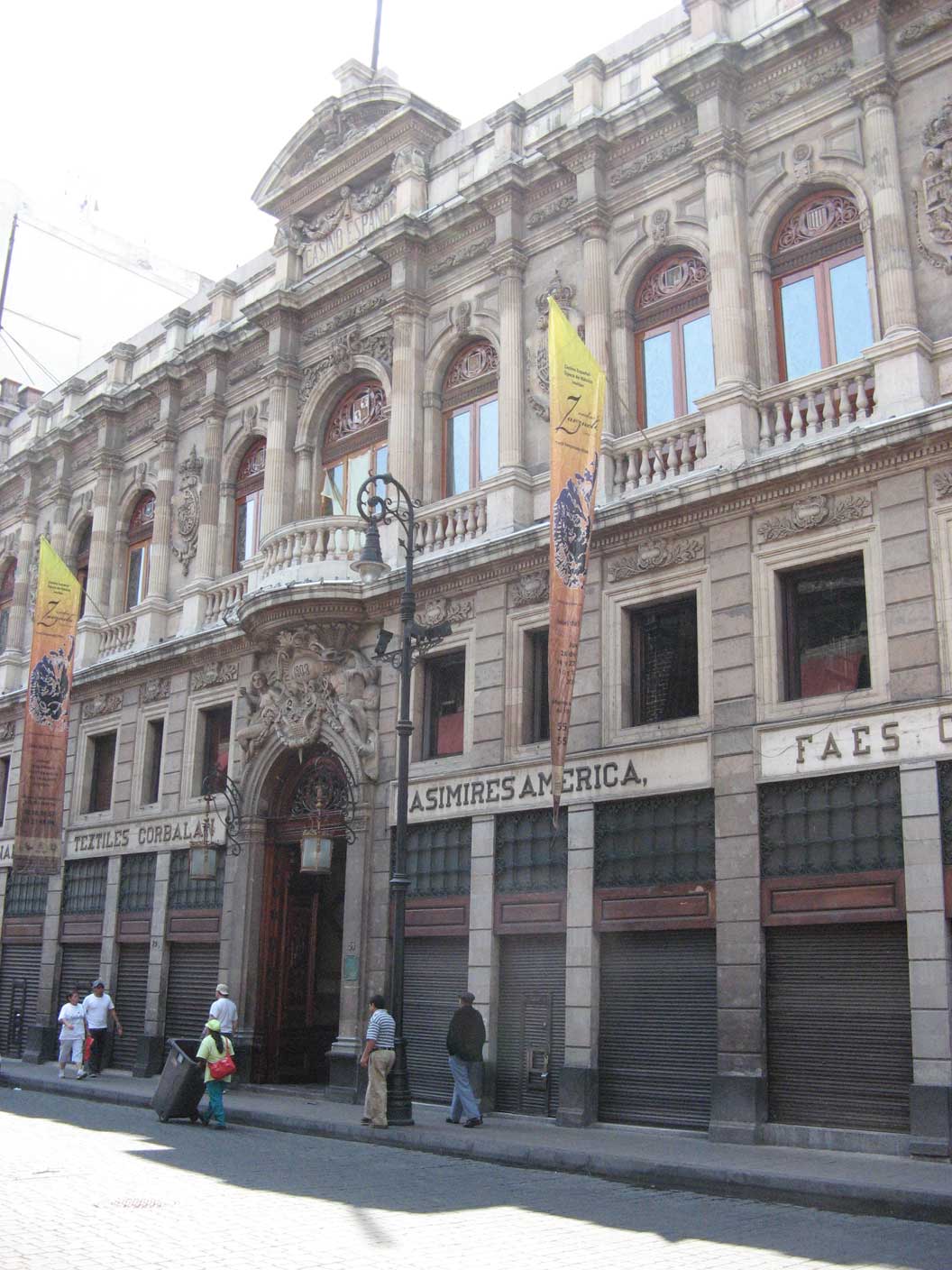
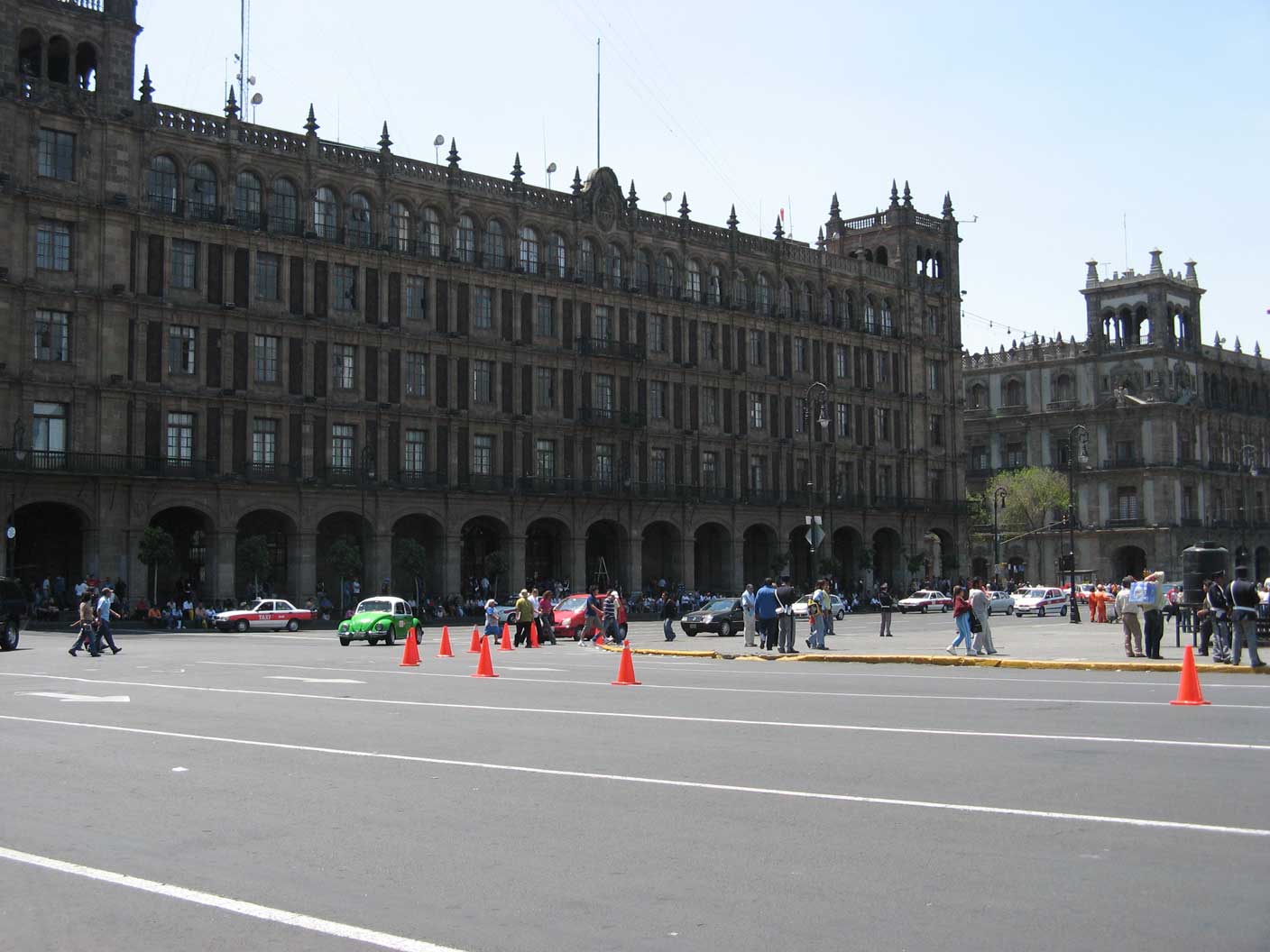
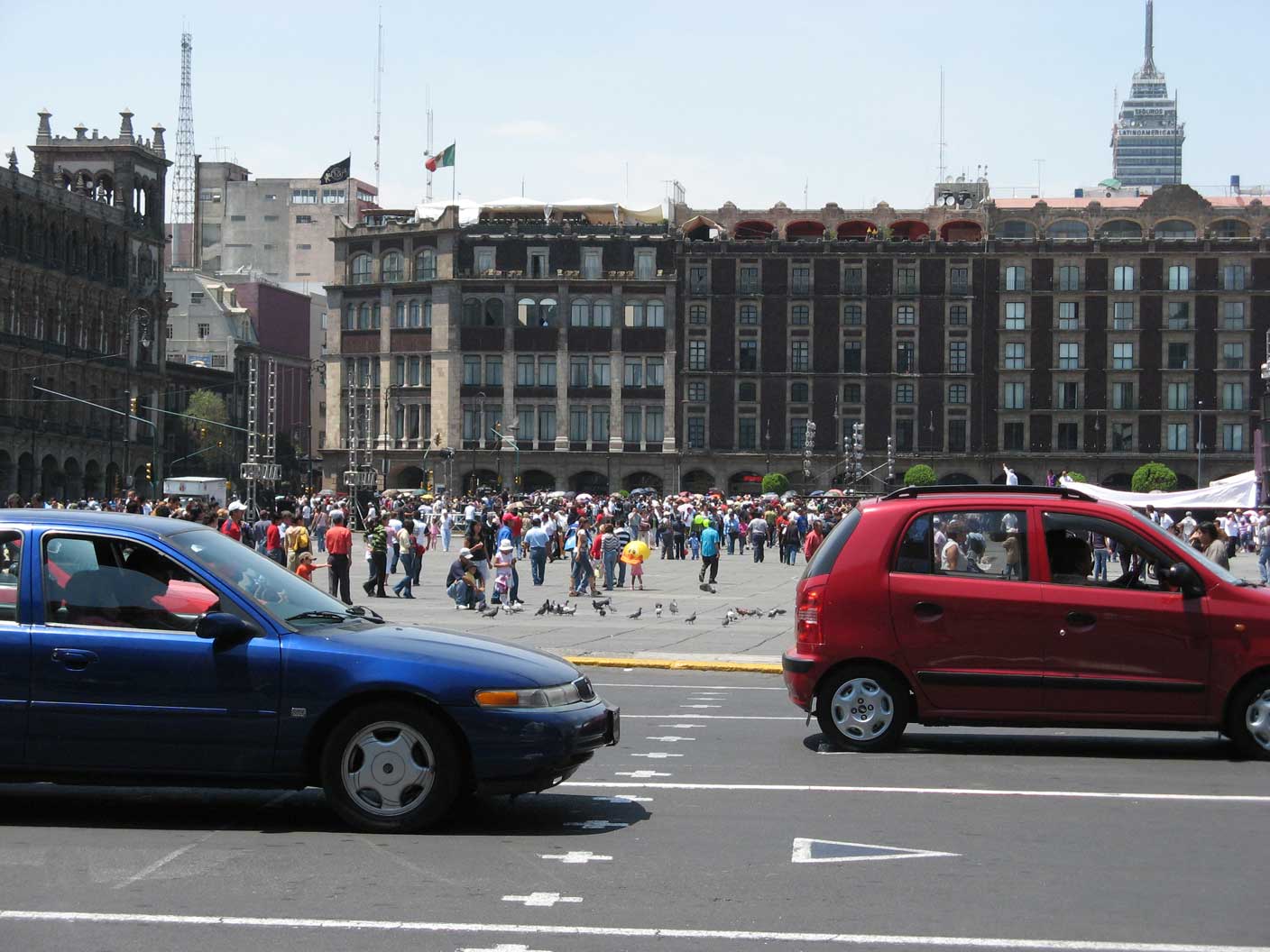
The most interesting place, where you find the true essence of México and its magnificent architecture (insofar as that's possible in a megalopolis like this), is the historic city center.
At the new museum recently opened by writer Carlos Monsiváis (the Museo del Estanquillo), dedicated to popular art, I read this phrase: "The landscape is the physical and symbolic majesty that, ideally, imparts lessons of harmony and coherence to disordered lives and chaotic governments, and to groups that can't even discipline their own disorder." ME.
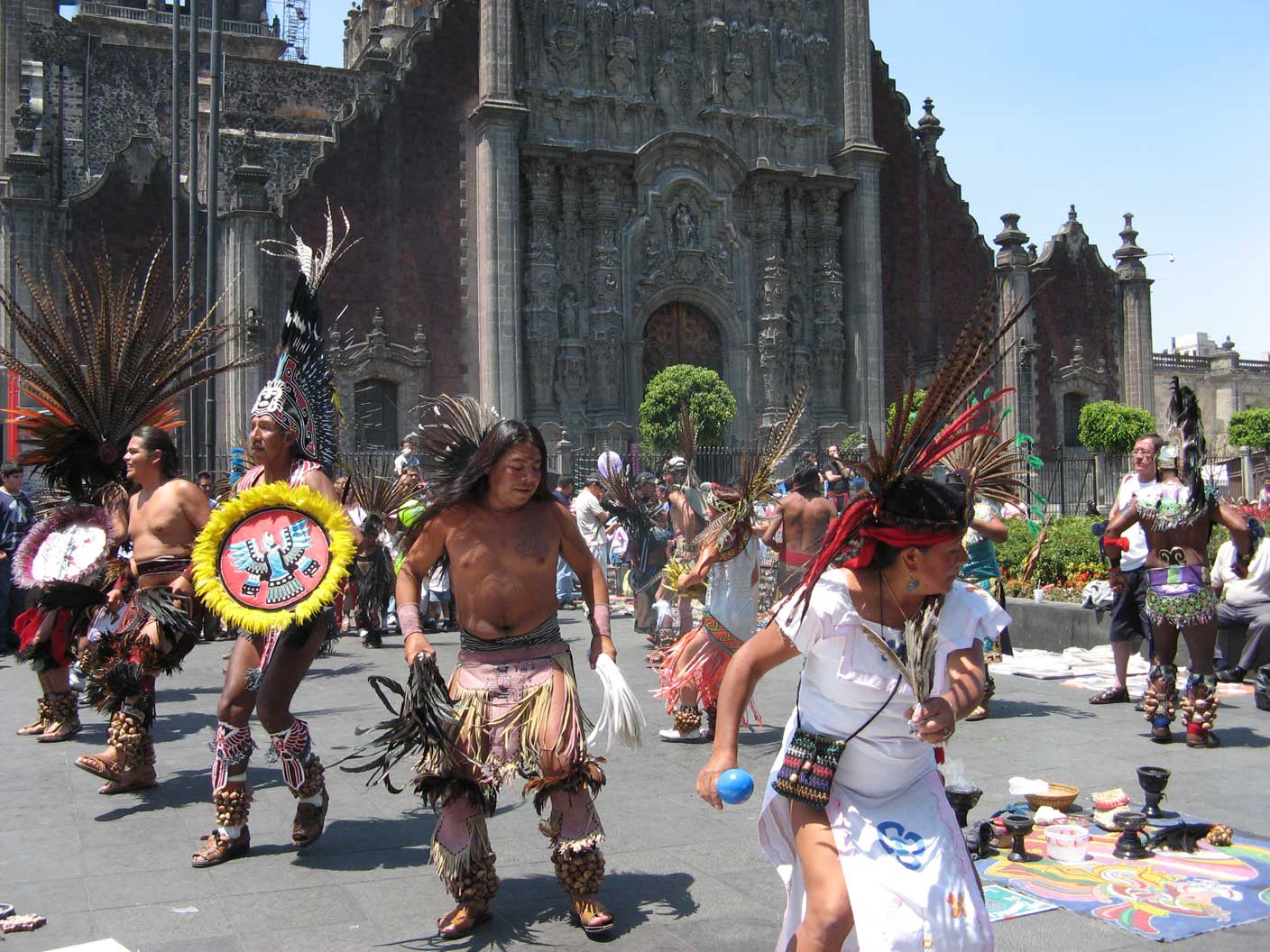
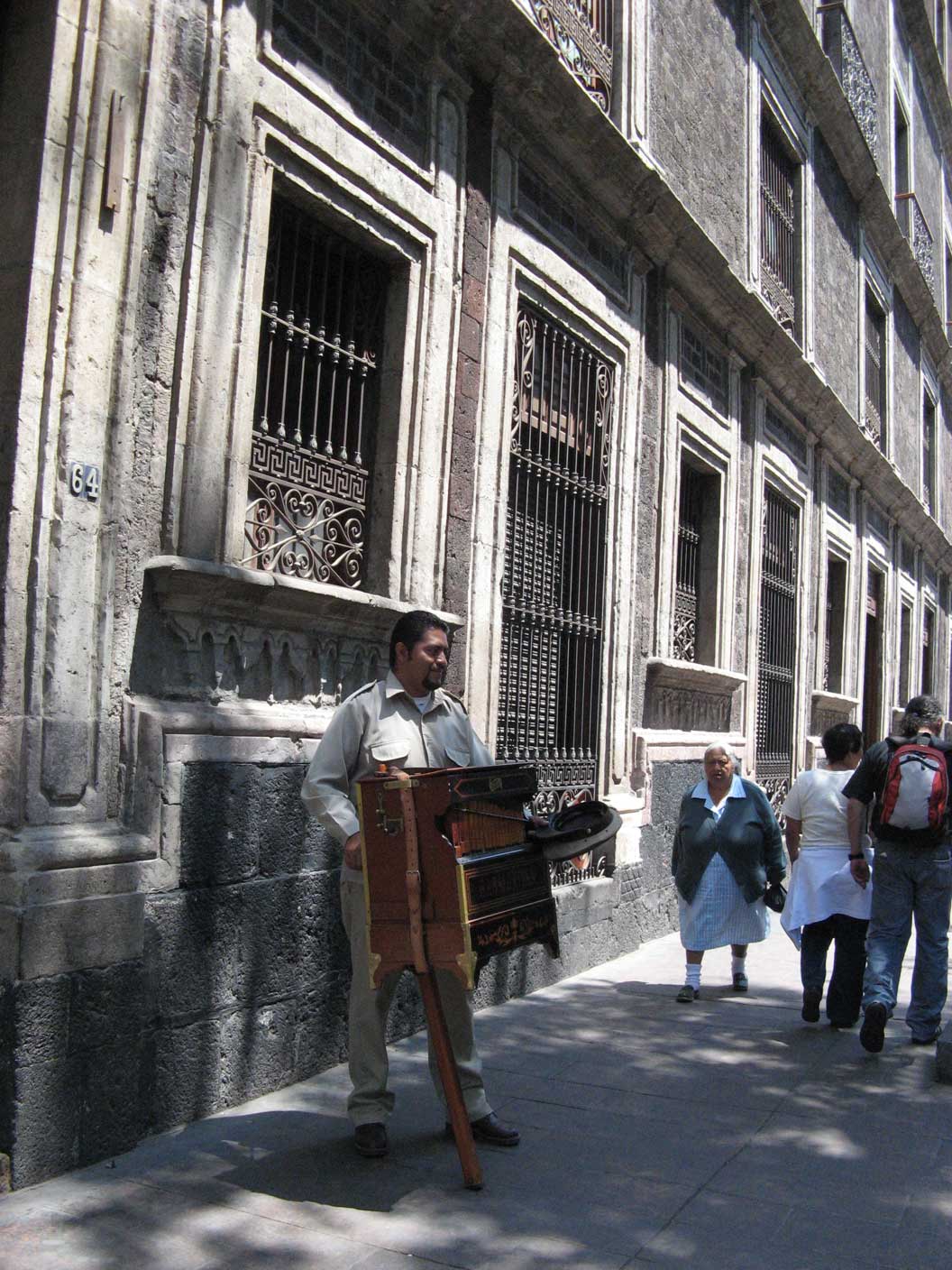
For the backpackers among you, the ones who usually go looking for the real soul of a place, I recommend these three guesthouses right in the heart of the historic center.
Hotel Juárez, located at: Primer Callejón de la calle Cinco de Mayo #17.
Hotel Canadá at: Calle Cinco de Mayo #24. Both full of charm and thoroughly Mexican.
Hostel Amigo at Isabel La Católica #61. http://www.hostelamigo.com/
Sanuk (a Thai word for fun, for the joy of living lightly)
Comments (2)
Holaaaaa. Que bueno que estas de vuelta!!! Lindas las fotos. Me dan muchos deseos de visitar ese pais tan lindo e interesante que es Mexico. Ya estuve a punto de hacerlo en dos ocasiones y como dicen que a la tercera....pues espero que asi sea. Por aca todo bien sin novedad. Un placer leerte como siempre. Alex
Este comentario ha sido eliminado por un administrador del blog.
New comments coming soon.